Since 2008, reports of gun sales figures have felt like temperature checks of the American public’s passion for freedom.
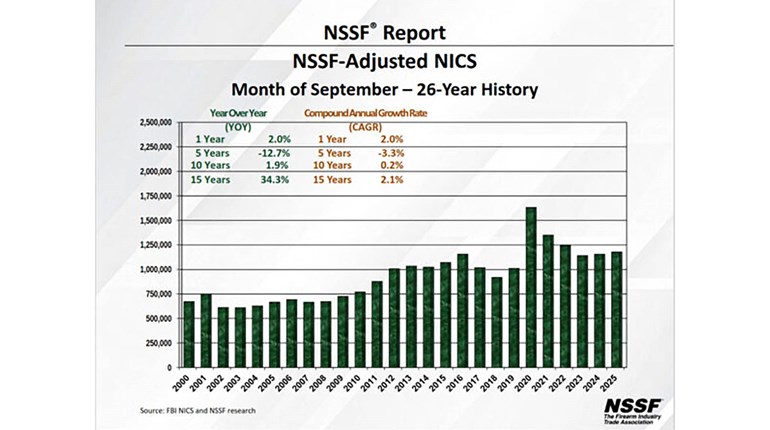
Looking back at 2016, we see that the FBI’s numbers show the agency conducted 27.5 million gun-related background checks in 2016, which is about 4.4 million more than any other year. The FBI’s National Instant Criminal Background Check System (NICS) processed 2.77 million background checks in December alone.
Now, not all background checks represent a sale, as a person might decide not to purchase the gun. But then, they might also opt to buy more than one. For these reasons NICS checks are considered to be a reliable indicator of sales.
Looking back over the number of checks done each year, we can see there were 12.7 million NICS checks done in 2008—the year President Barack Obama won office as an anti-Second Amendment candidate. We thought that was a lot at the time. Some firearm company executives even joked at the annual Shooting, Hunting, Outdoor Trade (SHOT) Show in early 2009 that they should give President Obama an award for “gun salesman of the year.” If so, he could have gotten the award each year since, as background checks went up every year after 2008 and, in 2016, more than doubled the 2008 total.
Hillary Clinton’s anti-gun rhetoric certainly pushed sales in 2016, as President Obama has been doing since 2008. But the thing is, the number of NICS checks has gone up every year since 2002. They actually jumped by more than a million from 2005 to 2006, and by more than 1.5 million from 2006 to 2007. The growth in gun sales has, with a few down ticks, basically been going on for decades.
The reasons don’t begin or end with politics. A survey by the National Shooting Sports Foundation in 2014, for example, showed that the number of target shooters rose 25 percent from 2012 to 2014. Half of the new shooters were female, and 56 percent of them live in urban areas. Some 73 percent of them took up the shooting sports when they were over 18. The average age of these new gun owners was 32 (compared to 43 for long-term gun owners).
Also, the numbers of guns made in the United States (minus exports), combined with those imported into the U.S., has been mostly growing since 2002 to meet this demand. The Bureau of Alcohol, Tobacco, Firearms and Explosives (ATF) maintains these statistics.
There are many other indicators showing that the trend of more Americans taking freedom into their own hands has been going on for decades. The number of people with concealed-carry permits, for example, has been largely growing since the mid-1980s, when about 1 million people had permits to carry. Now more than 14 million people do—although this statistic is becoming less and less relevant as more states opt to get government out of the way by passing constitutional or “permitless” carry laws.
While gun sales might taper off or fall slightly, they certainly don’t seem likely to fall to pre-2000 levels, as the active consumer base is now much larger than it was two or three decades ago.
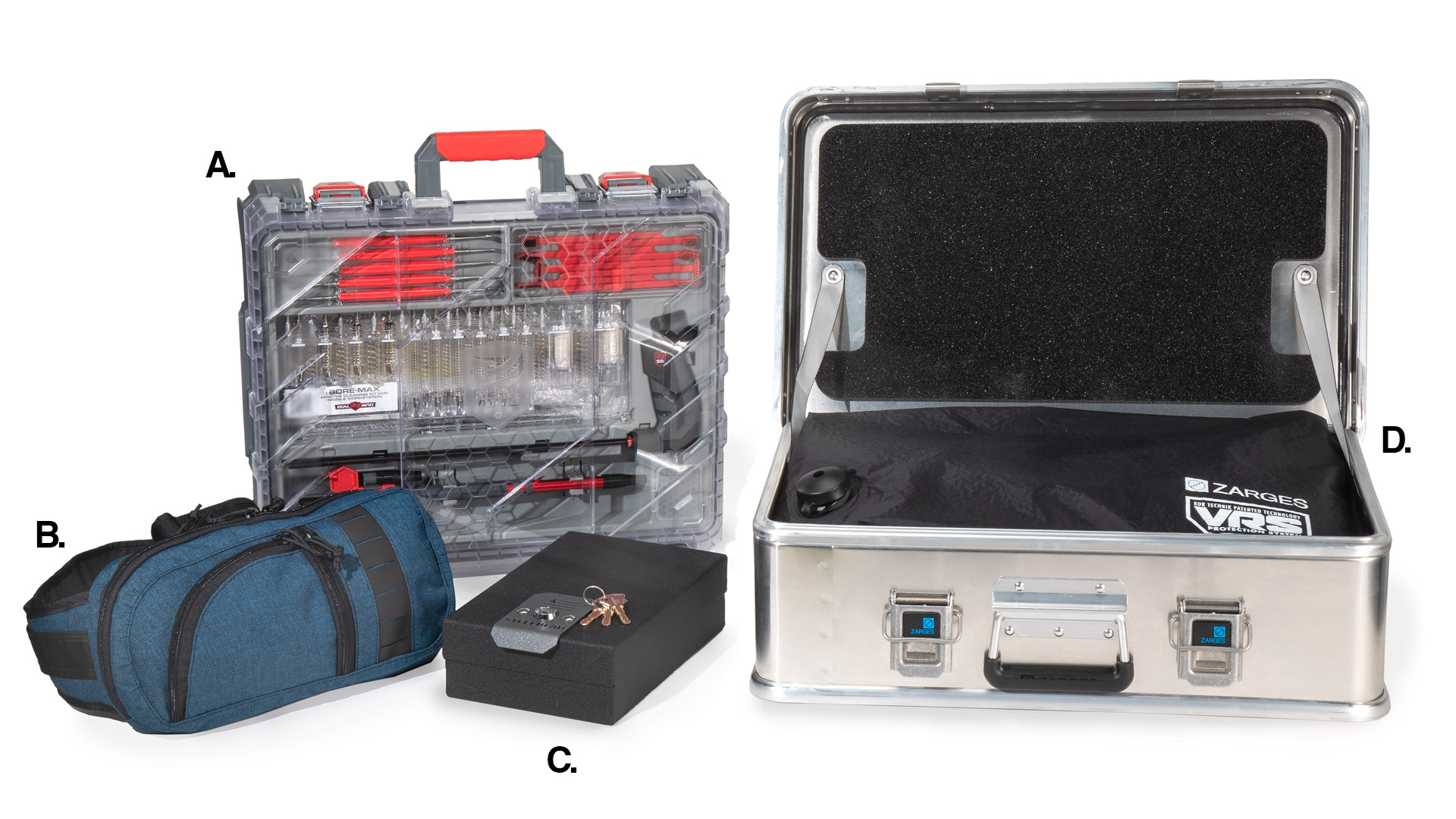
All these new gun owners are buying ammo, as well as holsters, gun safes and other gun-related products. These gun and ammo sales have been a huge boon to conservation, as surtaxes on these products (known as “Pittman-Robertson Act taxes”), go to the states to pay for a variety of conservation-related programs. In 2016, taxes on guns and ammo sent nearly $700 million to the states to fund these programs.
As we have established that anti-gun politics are at least part of what has prompted more Americans to buy guns, it is worth noting that, as the number of gun owners has grown, crime rates have largely been falling. The places where they have risen in recent years are the places with the strictest gun-control laws, such as Chicago. These are areas where average, law-abiding Americans find it hardest (if not impossible) to utilize their freedom to keep themselves and their loved ones safe.
The future of our freedom is never inevitable in either direction—trends can change. That is why it is as important now, as ever, for gun owners to stay active as we teach the next generation to protect, appreciate and safely enjoy their unique American freedom.Most Popular