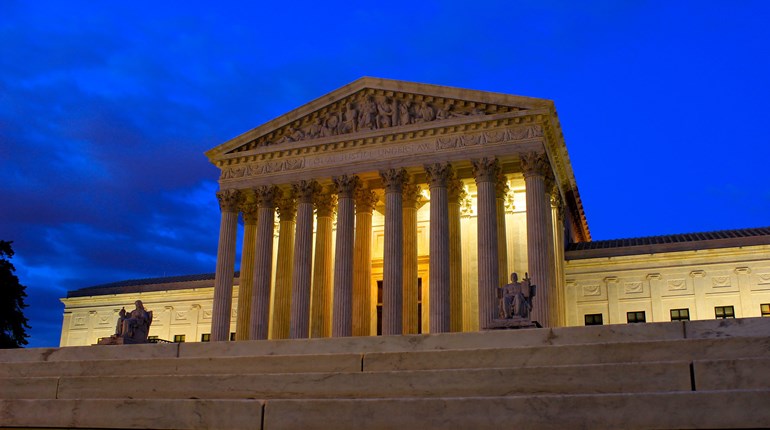
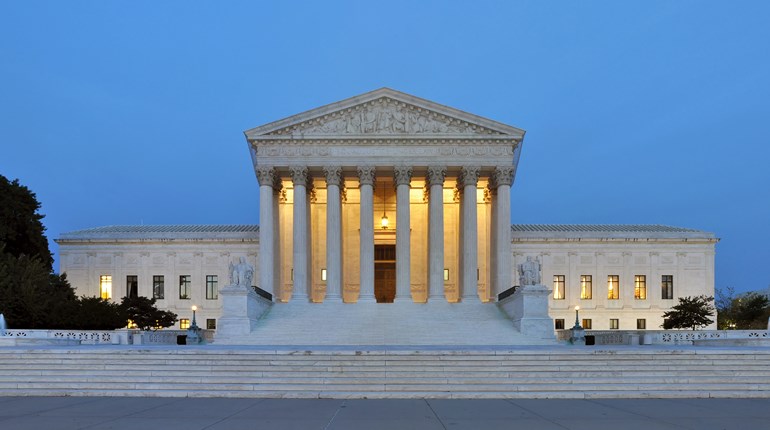
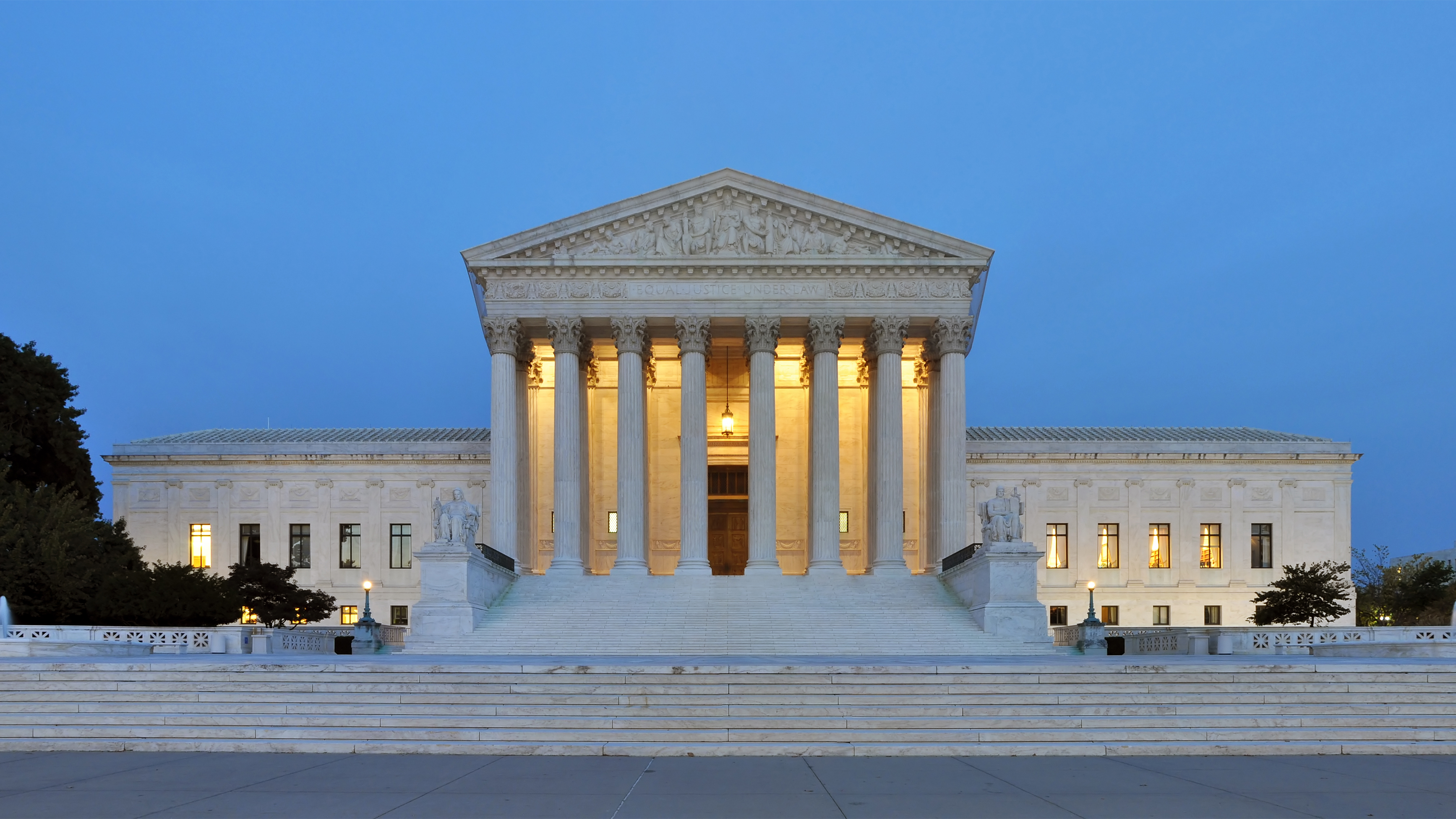
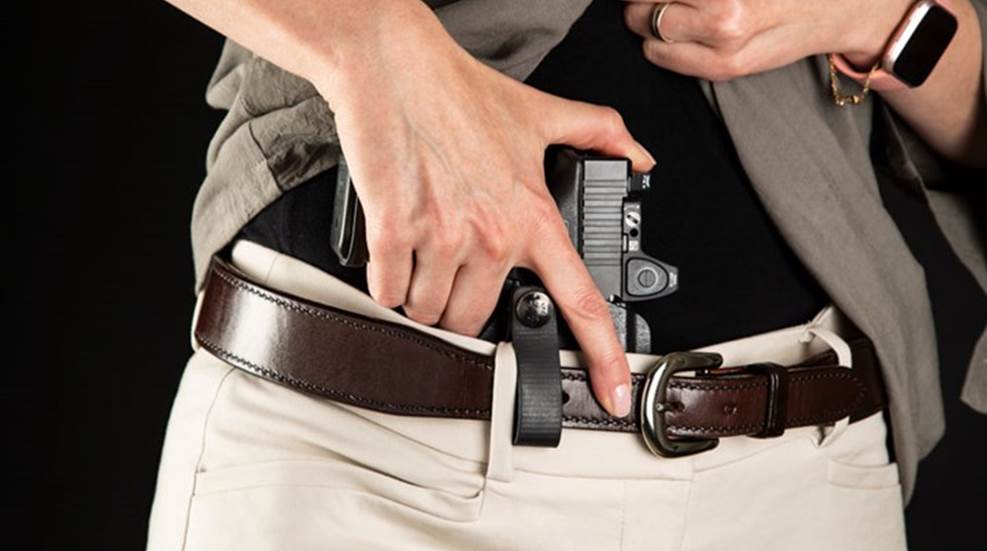
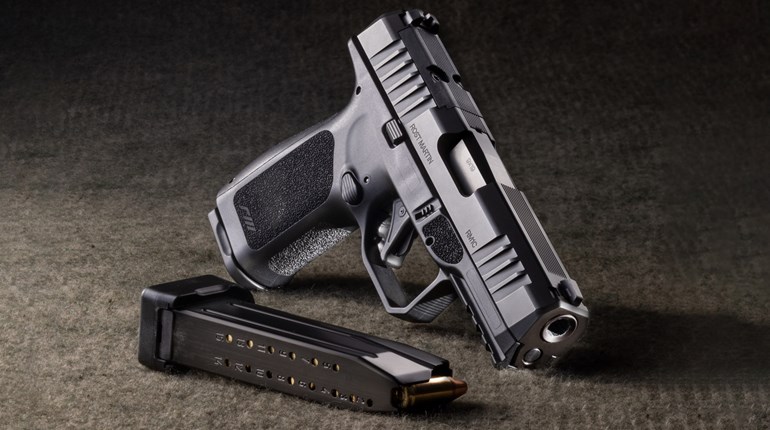
The U.S. Supreme Court’s recent Caniglia v. Strom (2021) decision protects the sanctity of gun owners’ homes.
This most-recent victory was based not on the Second Amendment, but the Fourth Amendment. In addition, the gun banners cannot blame Trump’s conservative appointments to the U.S. Supreme Court for this, as it was decided 9-0.
The headnotes for Caniglia v. Strom describe the events leading up to the police confiscation of Edward Caniglia’s firearms:
During an argument with his wife, petitioner Edward Caniglia placed a handgun on the dining room table and asked his wife to “shoot [him] and get it over with.” His wife instead left the home and spent the night at a hotel. The next morning, she was unable to reach her husband by phone, so she called the police to request a welfare check. The responding officers accompanied Caniglia’s wife to the home, where they encountered Caniglia on the porch. The officers called an ambulance based on the belief that Caniglia posed a risk to himself or others. Caniglia agreed to go to the hospital for a psychiatric evaluation on the condition that the officers not confiscate his firearms. But once Caniglia left, the officers located and seized his weapons. Caniglia sued, claiming that the officers had entered his home and seized him and his firearms without a warrant in violation of the Fourth Amendment.
It is hard to see a problem with the police asking Mr. Caniglia to go to a mental hospital for observation. It is a perfectly reasonable assumption that an overly dramatic episode during a domestic quarrel raised concerns about suicide or murder. And this is exactly how traditional mental-illness hospitalization laws are used; if police had reason to be concerned that mental illness might lead a person to violence against himself or others.
Indeed, in spite of a series of changes to state laws in the 1960s and 1970s, most state laws still provide for this sort of emergency hospitalization for evaluation. Mr. Caniglia, during his stay in the hospital, had no access to his firearms, cars, knives, or anything else. He was therefore unlikely to be a safety hazard to either himself or anyone else with any sort of weapon. His visit to the hospital appears to have been short; presumably, doctors interviewed him and concluded he was not a danger to himself or others.
Caniglia sued the police for having seized his guns without a warrant. The police argued that they had the right to seize his guns in the interests of “community caretaking.” Certainly, hospitalizing Caniglia for observation met that requirement, but seizing his guns? They pointed to Cady v. Dombrowski (1973), a case in which police seized guns from an impounded vehicle, not from a home where there is greater presumption of protection from warrantless searches and seizures.
Justice Clarence Thomas wrote the extremely concise opinion for the majority. A general rule that the government could enter a home to seize firearms for “community caretaking” would have been disastrous for the right to keep and bear arms. Fortunately, our Fourth Amendment still has some teeth.
Most Popular