Photo credit: Ken Lund
The 9th Circuit Court of Appeals refused on Sept. 10 to rehear a case seeking to restore the Second Amendment rights of Duy Mai, a man who was involuntarily committed as a juvenile in 1999, despite considerable evidence of sound mental health since that time, Washington State’s willingness to restore his rights, and ardent dissents from several of the court’s judges.
Mai is “another innocent casualty of this court’s demonstrated dislike of things that go bang,” wrote Judge Lawrence VanDyke in his dissent. “Show me a burden—any burden—on Second Amendment rights, and this court will find a way to uphold it.”
Mai was involuntarily committed to a mental hospital at 17 years old, as he was suffering from depression and determined by Washington State to be a potential danger to himself or others; however, he has since become what dissenting judge Patrick J. Bumatay called an “American success story.” Mai obtained a master’s degree in microbiology; he volunteers for environmental and humanitarian causes; and he has a stable career and family life. He has had no recurrence of mental illness or any criminal convictions. He even passed an FBI background check to work with an irradiator.
According to Mai v. United States, filed in March, Washington State agreed in 2014 to restore Mai’s right to possess firearms; however, that reinstatement does not qualify federally. (Approximately 30 state programs would qualify federally under 34 U.S.C. § 40915, but not Washington’s, so Mai was still barred at the federal level.)
Another federal avenue to potentially restore Mai’s Second Amendment rights—applying to the United States Attorney General under 18 U.S.C. § 925(c)—has been defunded by Congress since 1992.
With no other avenues open to him to restore his Second Amendment rights more than 20 years after his commitment, Mai sued, and when his case was dismissed, he appealed. A panel of three judges from the 9th Circuit Court of Appeals affirmed the dismissal. Mai then requested that his case be reheard en banc by an 11-judge panel of 9th Circuit judges. (Because the 9th Circuit is the largest federal appeals court, with 29 active judges, en banc reviews consist of the Chief Judge and 10 other judges selected randomly.)
On Sept. 10, this rehearing was denied.
Dissents from the denial of rehearing noted concerns that the level of scrutiny the smaller panel used was inappropriate and applied incorrectly, that the decision was not in line with previous decisions of other circuit courts and District of Columbia v. Heller, that “ill-suited, foreign statistical studies” had been applied to the original ruling, and that the law in question (§ 922(g)(4)) being applied to Mai long after his commitment was unconstitutional.
Judge Bumatay noted in his dissent that the court was holding that “the government may forever deprive a person of the individual right to bear arms—if that person spends even one day committed involuntarily, even as a juvenile, and no matter the person’s current mental health soundness.” He also noted that the court would only decide in this manner for Second Amendment cases. “For other, more fashionable constitutional rights, we would not countenance such an abridgment.”
Judge VanDyke noted in his dissent, “In the final paragraph of its opinion rejecting Mai’s Second Amendment claim, the panel emphasized that ‘[w]e emphatically do not subscribe to the notion that “once mentally ill, always so.’ […] Yet just like the government’s position in this case, the panel’s decision inescapably effectuates exactly that ethic.”
“Mai, and all others who have overcome mental illness, deserve better than to be permanently designated second-class citizens,” VanDyke wrote, “particularly as it relates to their equal participation in a fundamental right.”
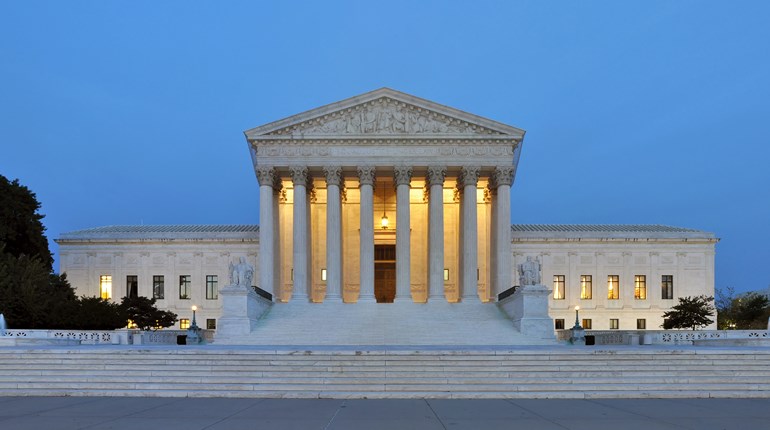
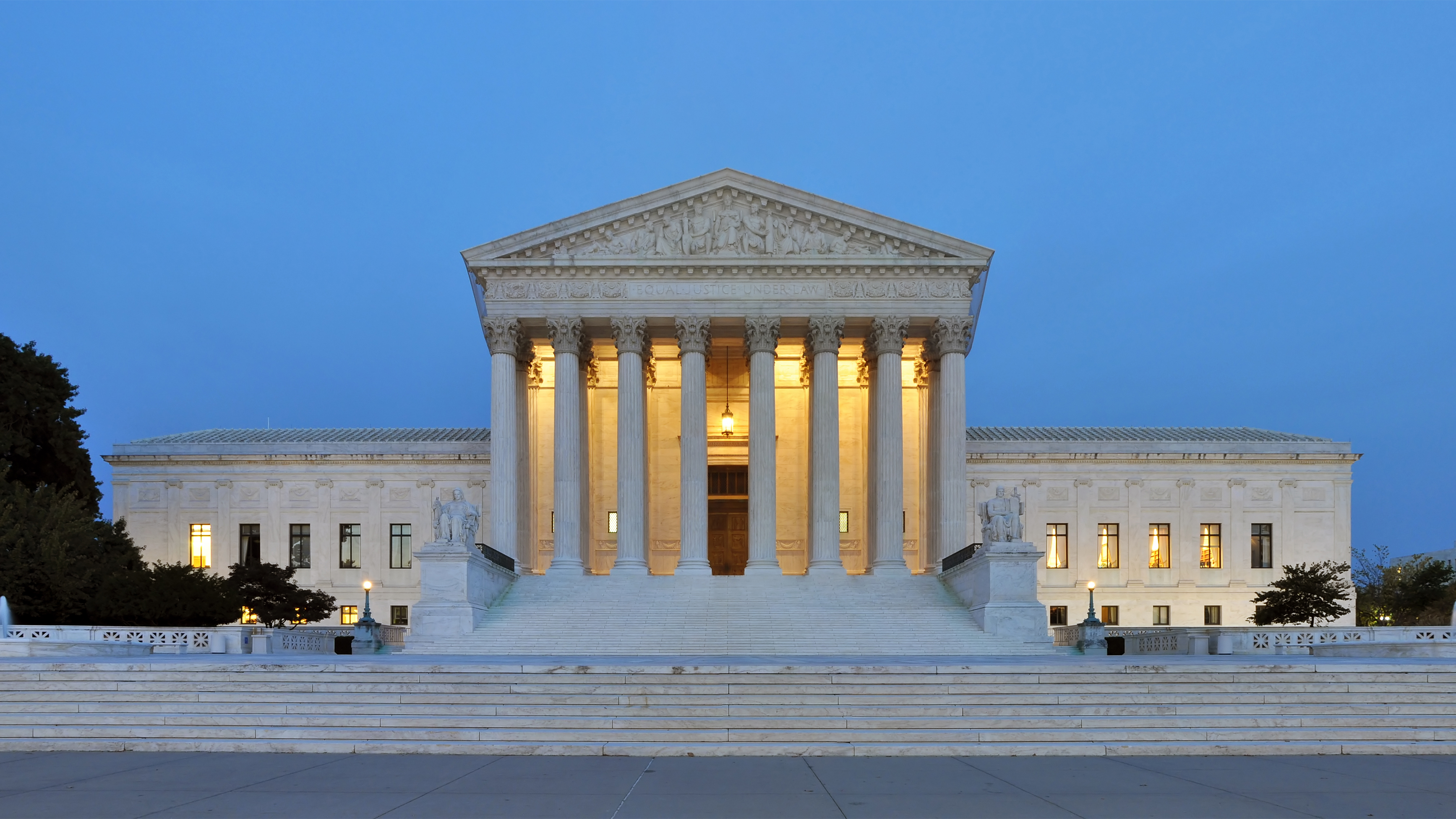
Mai’s lawyer said he will appeal to the U.S. Supreme Court.
Most Popular