Second of a three-part series
In 1993, one of the largest public policy debates in the nation raged over universal healthcare, dubbed “HillaryCare” after then-First Lady Hillary Clinton. HillaryCare was defeated in large part due to resistance from the health insurance and pharmaceutical industries. Fast forward to 2009, and those same industries strongly supported ObamaCare and were influential in getting it through Congress.
What happened in that decade and a half?
While there are many issues at play, one clear aspect was the dynamic rise in liberal investor activism. Until that time, investment activism was largely limited to good governance groups. However, the left soon realized the awesome power an engaged investor can wield over corporate actions.

There are currently dozens of liberal groups representing billions of dollars in assets that annually dedicate significant resources to influencing corporate America. They do so by filing shareholder proposals, staging protests, building social media campaigns and attending shareholder meetings. Perhaps the most powerful of these tools is the least well-known: shareholder proposals.
Liberal groups use shareholder proposals to shift corporate attitudes to the left on issues such as health care, the environment and philanthropy. Proposals provide the proponent direct access to high-level corporate executives. Corporations hate shareholder resolutions, so executive-level staff often negotiate terms for an agreement to withdraw a particular proposal. Liberal activists score major policy concessions as part of those negotiations.
This unassuming process is one of the ways that the left has been so influential at drawing corporations into its fold.
For example, in Part I of this series, I mentioned that more than 100 corporations were coerced into leaving the American Legislative Exchange Council (ALEC) after the death of Trayvon Martin and the resulting misinformation campaign regarding “stand your ground” laws. Behind the scenes, many of those companies agreed to leave ALEC only after getting a shareholder proposal from this leftist investment network. The proposals essentially threatened to make continued membership in ALEC uncomfortable for the companies by linking them to incidents such as Martin’s death. If, however, the respective company agreed to leave ALEC, the liberal proponent would agree to withdraw the proposal.
Given the choice between fighting a public relations battle against liberal advocacy groups accusing your company of being racist and complicit in murder, or dropping your membership in ALEC, is it any wonder that so many corporate leaders chose the latter?
Call it advocacy, call it extortion—but it’s simple and it’s effective.
This sprawling leftist network annually files around 400 to 500 shareholder resolutions. In contrast, at the Free Enterprise Project, we file between 20 and 30 proposals per year, and we represent nearly all of the conservative proposals filed in the past decade.
They say the world belongs to those who show up. Nowhere is that clearer than in the shareholder advocacy arena. The left is rolling company after company into its messaging machine because most on the right are doing so little about it.

In 2018 alone, more than 60 liberal groups have been involved in shareholder activism. The list includes the AFL-CIO, Amnesty International, Calvert Investments, CalPERS, Clean Yield Asset Management, Domini Social Investments, Harrington Investments, Holy Land Principles, Humane Society of the U.S., Illinois State Treasurer, Nathan Cummings Foundation, NYSCRF, NorthStar Asset Management, NYC Pension Funds, PETA, Philadelphia Public Employees Retirement System, SEIU Master Trust, Sierra Club, Teamsters, Trillium Asset Management, Trinity Health, UAW Retiree Medical Benefits Trust, United Steel Workers, Walden Asset Management and Zevin Asset Management.
To put this imbalance in a financial perspective, just one organization in this network—CalPERS—managed over $350,000 billion in assets as of Aug. 30. The conservative movement punches back with less than 1 percent of 1 percent of 1 percent of 1 percent of 1 percent of 1 percent of that. Many of the other liberal groups are similarly loaded.
And since liberal shareholder activists exponentially outnumber conservative ones, corporate America has been drifting further to the left over the last decade and a half. That’s one reason why so many CEOs feel emboldened to take up liberal causes and dictate a progressive morality to the rest of us—they rarely encounter conservative pushback.
At the Free Enterprise Project, we are trying to level the playing field. We use the same investor instruments as the left does to counter corporate America’s moral virtue signaling.
Corporations virtue signal and carry water for liberal causes because the silence on the right makes it easy to do so. Conservatives rightfully see companies—large and small—as the driver of economic success that makes America the greatest country in the world. Therefore, conservatives, generally speaking, don’t boycott or protest or really bother businesses at all.
That silence has been at the peril of liberty.
Corporations should have a voice in the political process when the issues are germane to the company’s core business: taxes, tariffs, regulation and so on. But companies that make political decisions unrelated to their primary business risk alienating a large percentage of their potential consumer and investor base—if that base is alerted to the company’s politicking.
However, that’s the root of the corporate activism imbalance problem.
If only liberals speak up on political topics, engage as investors, and “vote” with their wallets, then corporations have cover to offend conservatives with impunity. That’s why we at the Free Enterprise Project speak up for the silent majority on so many important constitutional and public policy concerns. But we need your help.
This is the second of a three-part series. To read the others, go to americas1stfreedom.org.
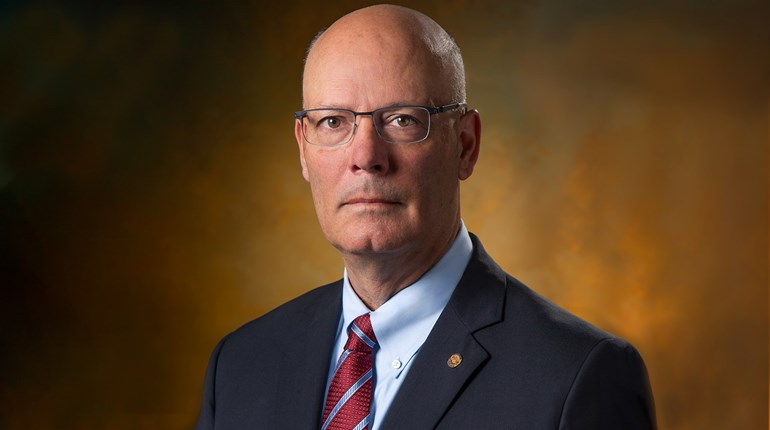
Justin Danhof is the general counsel for the National Center for Public Policy Research, as well as director of the center's Free Enterprise Project.
Most Popular